25 Historic Facts About Los Angeles
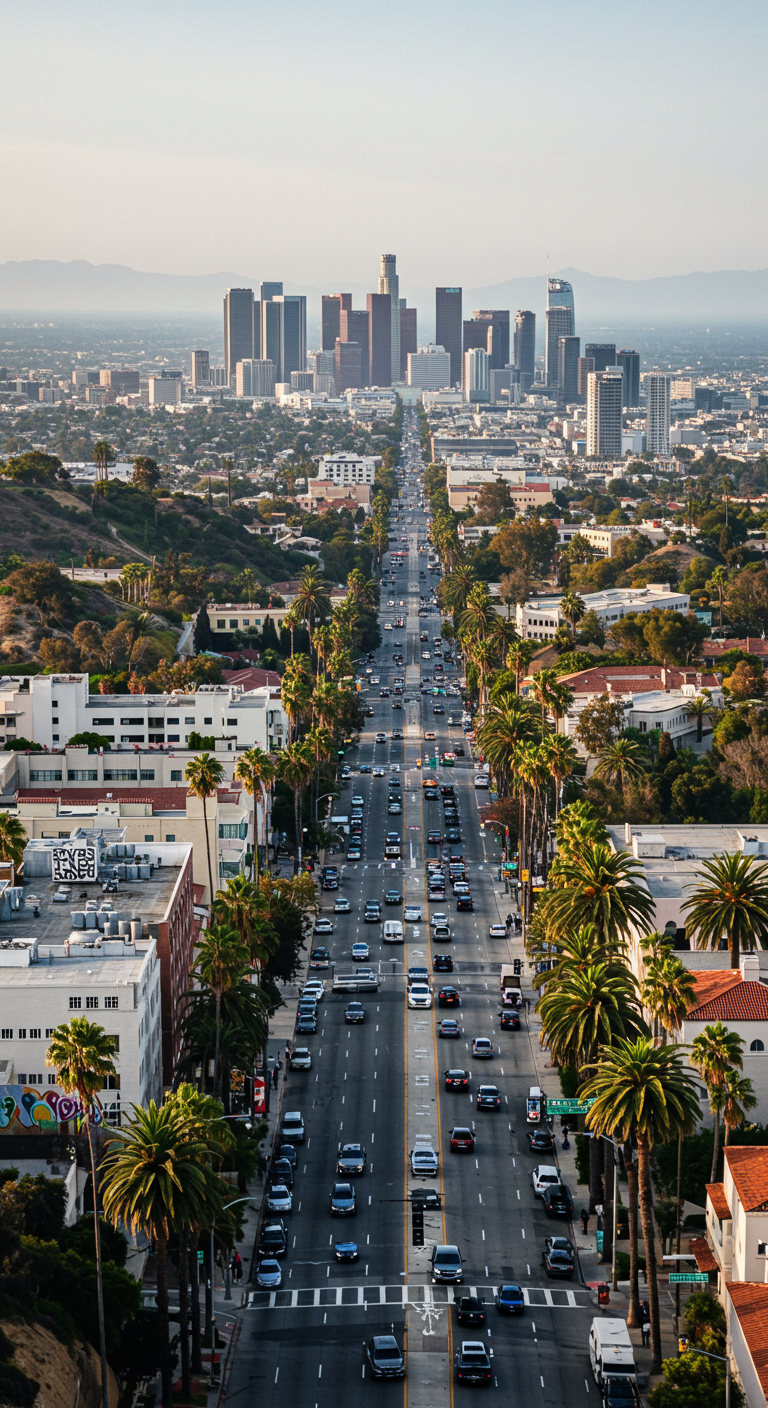
When you explore the historic facts about Los Angeles, you’ll uncover layers of its complex identity. From its founding as a small pueblo to its evolution into a cultural and economic powerhouse, each milestone reflects significant societal shifts. The city’s diverse history, including the impacts of the Gold Rush and the rise of Hollywood, reveals much about its current dynamics. What events and influences have shaped LA into the vibrant city it is today?
The Founding of Los Angeles
When you explore the founding of Los Angeles, you’ll discover that it began on September 4, 1781, as a small Spanish settlement called “El Pueblo de Nuestra Señora la Reina de los Ángeles.”
The Spanish settlers negotiated with Indigenous tribes, establishing early governance that influenced local culture.
Historical landmarks from this period, like the Old Mission and Plaza, reflect the city’s complex origins and diverse heritage.
The Origin of the City’s Name
The name “Los Angeles” carries a rich tapestry of cultural and historical significance, rooted in its Spanish origins.
You’ll find that “Los Angeles” translates to “The Angels,” reflecting the city’s Spanish heritage. This name not only honors religious influences but also highlights the geographical significance of the region, where the natural landscape blends seamlessly with the legacy of early Spanish settlers.
The Role of the Missions
Spanish missions played a pivotal role in shaping the early development of Los Angeles and its surrounding areas.
Their mission architecture introduced unique styles that influenced local building practices. This architectural legacy can still be seen today, reflecting the missions’ enduring impact.
The mission influence extended beyond aesthetics, fostering community ties and cultural exchange that laid the groundwork for the region’s growth.
The Gold Rush and Its Impact
Although many associate the Gold Rush primarily with Northern California, its ripple effects significantly shaped Los Angeles and its development during the mid-19th century.
The influx of fortune-seekers, spurred by gold discoveries, ignited a mining boom that transformed the region. This surge in population and economic activity laid the groundwork for Los Angeles, influencing its growth and future opportunities.
The Arrival of the Railroad
As the 19th century progressed, the arrival of the railroad became a pivotal moment in Los Angeles’ evolution, fundamentally altering its economic landscape and connectivity.
This railroad expansion sparked a transportation revolution, opening doors to new opportunities and growth.
- Businesses flourished, attracting entrepreneurs
- Families relocated for a better life
- Goods moved swiftly to markets
- Communities connected like never before
The Birth of Hollywood
When you think of Hollywood, it’s easy to overlook its humble beginnings as a small agricultural community.
The area’s transformation began in the early 1900s, fueled by the rise of silent films. As studios emerged, Hollywood became the epicenter of the golden age of cinema.
This pivotal shift not only defined the film industry but also shaped global entertainment culture for decades.
The Great Los Angeles Flood of 1938
Hollywood’s rise in the early 20th century coincided with significant environmental challenges for the greater Los Angeles area, none more impactful than the Great Los Angeles Flood of 1938.
The flood caused extensive flood damage, overwhelming emergency response efforts and displacing thousands.
- Lives lost
- Homes destroyed
- Infrastructure devastated
- Community resilience tested
The Rise of the Film Industry
Although the early 20th century brought significant environmental challenges to Los Angeles, it also marked the beginning of a transformative era for the film industry.
The silent era shifted into the golden age, dominated by the studio system and the emerging star system. During this time, cinematic innovations flourished, leading to iconic film noir and paving the way for independent filmmaking and blockbuster cinema, alongside thriving international cinema and film festivals.
The Influence of the Zoot Suit Riots
As tensions escalated in Los Angeles during the summer of 1943, the Zoot Suit Riots emerged as a flashpoint for racial and cultural conflict.
The riots highlighted deep-seated issues, affecting communities and shaping perceptions.
- Youth identity expression
- Racial discrimination
- Cultural misunderstandings
- The fight for civil rights
These events underscored the struggles faced by Mexican American youth in a city rife with cultural clash.
The Establishment of Griffith Park
Griffith Park, established in 1896, stands as one of the largest urban parks in North America, offering a rich tapestry of history and recreation that reflects Los Angeles’ evolving identity.
You’ll discover Griffith Park‘s history intertwined with its attractions, like the iconic Griffith Observatory and sprawling hiking trails.
These elements showcase the park’s significance as a cultural and natural treasure within the city.
The Opening of the Los Angeles Aqueduct
When you consider the transformative impact of infrastructure on urban growth, the opening of the Los Angeles Aqueduct in 1913 stands out as a pivotal moment in the city’s history.
This monumental project guaranteed a reliable water supply, fostering unprecedented infrastructure development.
- Economic prosperity flourished.
- Neighborhoods expanded rapidly.
- Agricultural lands thrived.
- The city’s population surged.
The Dodgers’ Move to Los Angeles
While the Dodgers’ move to Los Angeles in 1958 marked a significant change in Major League Baseball, it also reflected broader social and cultural changes occurring in the United States at the time.
This transformation not only reshaped Dodgers history but also sparked a burgeoning Los Angeles fandom, as diverse communities united over a shared love for the team, fostering regional identity and pride.
The Watts Riots of 1965
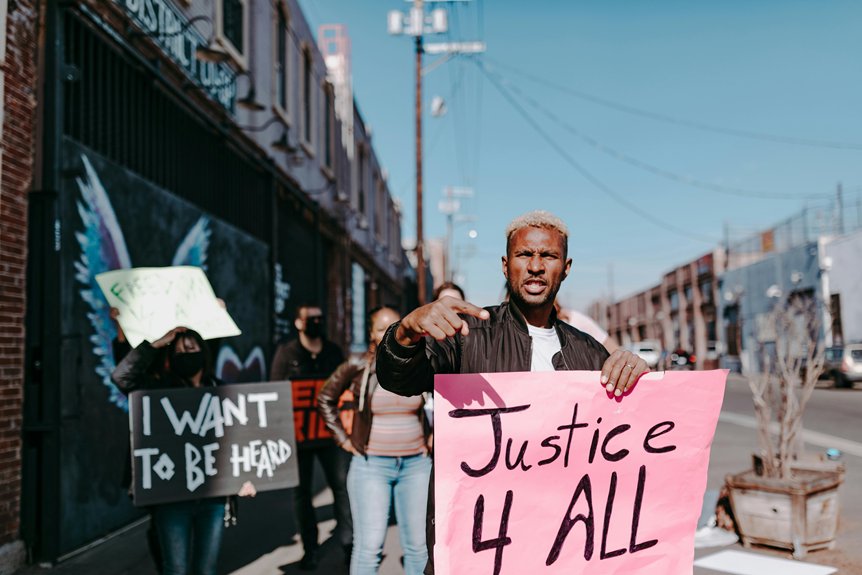
The Watts Riots of 1965, lasting six days and resulting in significant destruction, highlighted the deep-seated racial tensions and socio-economic disparities in Los Angeles.
The events were fueled by incidents of police brutality and sparked community activism, leading to calls for change.
- A community’s frustration boiling over
- Lives shattered and families displaced
- Voices demanding justice and equality
- A city forever changed by unrest
The Birth of the LA Freeway System
Following the civil unrest of the Watts Riots, Los Angeles faced a pressing need for change, not just in its social fabric but also in its infrastructure.
The freeway evolution emerged as a response to growing traffic challenges, aiming to connect neighborhoods and reduce congestion.
This ambitious network transformed commuting patterns, shaping the city’s development and establishing the foundation for LA’s modern transportation system.
The 1984 Summer Olympics
In 1984, Los Angeles hosted its first Summer Olympics, marking a pivotal moment in the city’s history and its global standing. This event not only showcased remarkable athletic achievements but also established an enduring Olympic legacy.
The games fostered unity and inspiration, creating lasting memories for millions.
- Iconic moments that captured hearts
- Unforgettable records set in the stadiums
- A spirit of perseverance and hope
- Community pride and international camaraderie
The Northridge Earthquake
On January 17, 1994, Los Angeles experienced the devastating Northridge Earthquake, measuring 6.7 on the Richter scale.
This disaster highlighted the critical importance of earthquake preparedness and seismic safety. Many buildings suffered extensive damage, prompting an urgent reassessment of construction standards.
In the aftermath, communities focused on enhancing infrastructure and public awareness, aiming to mitigate future risks and protect lives.
The Formation of the Los Angeles County Museum of Art
Although the idea of a dedicated art institution had been discussed for years, the Los Angeles County Museum of Art (LACMA) officially formed in 1961, merging several smaller collections to create a thorough cultural hub.
This monumental decision shaped the city’s landscape, influencing both its art collection and museum architecture.
- A vibrant community space
- A showcase of diverse cultures
- A home for artistic expression
- A reflection of Los Angeles’ evolution
The Impact of the 1992 LA Riots
Tension simmered in Los Angeles long before the 1992 riots erupted, revealing deep-seated social and racial divides.
The aftermath highlighted the urgent need for community rebuilding, as neighborhoods lay in ruins.
While some efforts aimed to mend relationships and address racial tensions, challenges persisted.
The riots served as a stark reminder of the city’s complexities and the work required to foster genuine unity.
The Growth of the Tech Industry
As the digital landscape evolved, Los Angeles emerged as a significant player in the tech industry, attracting startups and established firms alike.
Unlike Silicon Valley, LA offers a unique blend of creativity and innovation, fostering a diverse tech ecosystem.
- Thriving tech startups
- Collaboration and networking opportunities
- Access to venture capital
- Growing job market
This growth reflects a dynamic shift in the technology sector.
The Development of the Arts District
The Arts District in Los Angeles has transformed considerably over the past few decades, evolving from a largely industrial area into a vibrant hub for creativity and innovation.
This urban revitalization has fostered a strong artistic community, attracting galleries, studios, and creative businesses.
As you explore, you’ll notice the blend of historic architecture and contemporary art, illustrating the area’s dynamic evolution.
The Opening of the Walt Disney Concert Hall
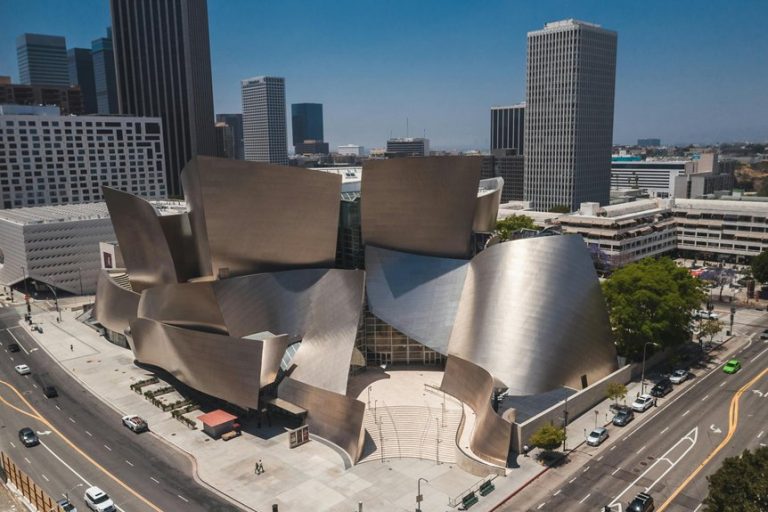
Opened in 2003, the Walt Disney Concert Hall stands as a tribute to modern architectural innovation and acoustic excellence.
Designed by Frank Gehry, its architectural significance redefined concert halls, becoming a cultural landmark in Los Angeles.
- A symbol of creativity
- A hub for diverse musical experiences
- Inspiring community engagement
- Elevating the city’s artistic profile
The Expansion of Public Transportation
While many cities struggle with traffic congestion and limited transit options, Los Angeles has made significant strides in expanding its public transportation system over the past few decades.
Public transit innovations, such as the introduction of electric buses and improved rail services, complement various Metro expansion initiatives.
These efforts aim to enhance accessibility, reduce reliance on cars, and promote sustainable commuting for residents throughout the city.
The Rise of Culinary Diversity
Los Angeles has long been a melting pot of cultures, and this diversity is vividly reflected in its culinary landscape.
Food movements influenced by various cultural backgrounds have shaped local dining experiences, creating an array of flavors.
Consider how these elements resonate with you:
- Authentic street tacos
- Gourmet Korean BBQ
- Traditional Ethiopian injera
- Innovative vegan cuisine
Each dish tells a story of cultural influences.
The Influence of the LGBTQ+ Community
As the vibrant tapestry of Los Angeles unfolds, the influence of the LGBTQ+ community becomes evident in both its cultural and social dynamics.
Pride parades exemplify this impact, showcasing unity and visibility while celebrating diversity.
Additionally, the activism history rooted in the city has fostered significant legal and societal changes, shaping policies that protect and empower LGBTQ+ individuals, making Los Angeles a beacon of progress.
The Legacy of the 2028 Summer Olympics
One might say that the 2028 Summer Olympics in Los Angeles represents more than just a sporting event; it’s a pivotal moment for the city’s future.
The Olympic legacy is set to create a lasting global impact, fostering unity and promoting economic growth.
- Revitalized infrastructure
- Increased tourism
- Enhanced community spirit
- Inspiration for future generations