25 Things You Didn’t Know About Hollywood
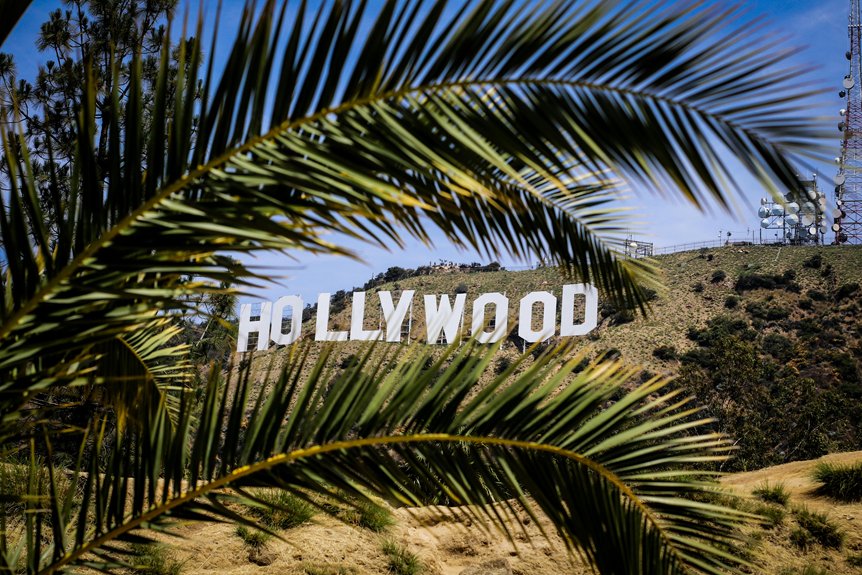
You might think you know Hollywood, but there are countless surprising facts waiting to be uncovered. From the origins of its iconic sign to the first-ever Oscar winner, the history of Tinseltown is packed with twists and turns. Ever wondered why the Walk of Fame exists or how foreign films shaped its landscape? The stories behind these details will reshape your understanding of cinema. Let’s explore some lesser-known gems that define this legendary entertainment hub.
The Origin of the Name “Hollywood”
Have you ever wondered how Hollywood got its name?
The Hollywood origins trace back to a small area in Los Angeles, named by H. J. Whitley in the early 1900s. He envisioned a place for his new home, combining “holly” and “wood.”
This name significance reflects the enchanting allure of the film industry, transforming a simple neighborhood into the global icon we recognize today.
The First Feature-Length Film
As Hollywood blossomed into a cinematic powerhouse, it wasn’t long before the first feature-length film made its debut, marking a pivotal moment in film history.
This innovation transformed silent storytelling and paved the way for future filmmakers.
- Revolutionized narrative structure
- Expanded audience engagement
- Set the stage for modern cinema
- Inspired countless film innovations
The Hollywood Sign’s Original Purpose
In 1923, the iconic Hollywood Sign was erected not as a symbol of the film industry, but rather as an advertisement for a real estate development called “Hollywoodland.”
Originally intended to promote the upscale housing project, the giant letters quickly became synonymous with the burgeoning film industry that surrounded them, evolving into a cultural icon and tourist attraction steeped in Hollywood history and local legends.
The Invention of the Motion Picture Camera
The motion picture camera revolutionized entertainment, transforming how stories were told and experienced.
This groundbreaking motion picture innovation reshaped our world. Here’s what you mightn’t know:
- Early models used hand-cranked camera technology.
- The first films were just seconds long.
- Silent films relied on expressive acting.
- Innovations led to the Hollywood blockbuster era.
You can thank these developments for the cinematic magic we love today!
The Birthplace of the Academy Awards
Hollywood’s glitz and glamour find their roots in a small, unassuming hotel in Los Angeles. This venue hosted the first Academy Awards, marking a pivotal moment in Oscar history.
The ceremony’s evolution transformed filmmaker recognition, showcasing talent on the iconic red carpet. With its Academy origins rooted in award significance, the Oscars continue to celebrate nominee selection, fostering the magic of Hollywood.
The Connection Between Hollywood and the Gold Rush
While you mightn’t immediately connect the glimmer of Hollywood with the ruggedness of the Gold Rush, the two share a fascinating history.
The gold rush legacy influenced Hollywood’s growth through:
- Mining migration to California
- A booming economy
- Adventurers seeking fame and fortune
- The rise of storytelling around the Gold Rush
These elements shaped the film industry, intertwining adventure and glamour in unforgettable ways.
The Iconic Hollywood Walk of Fame
From the adventurous spirit of the Gold Rush to the glimmering stars of today, Hollywood has always celebrated its legends in unique ways.
The Hollywood Walk of Fame features over 2,600 star dedications, honoring icons across entertainment.
However, it’s not without celebrity controversies, as some stars spark debates over their legacies.
Explore this vibrant sidewalk—it’s a true reflection of fame and infamy!
The First Movie Studio in Hollywood
Before the glitz and glamour took over, the first movie studio in Hollywood, known as the Nestor Studio, was established in 1911, setting the stage for the film industry’s explosive growth.
It marked the silent era with:
- Innovative filmmaking techniques
- Pioneering short films
- A surge of talent
- The birth of Hollywood’s iconic landscape
This studio laid the groundwork for future cinematic masterpieces.
The Influence of Silent Films
The rise of the Nestor Studio in Hollywood paved the way for an art form that would captivate audiences worldwide: silent films.
With innovative silent film techniques and iconic silent stars, these historical silent films showcased visual storytelling evolution.
The silent film score enhanced emotions, while early film censorship and the impact of subtitles shaped silent film audiences, driving film editing innovations across various silent film genres.
The Role of the Blacklist in Hollywood
Although many think of Hollywood as a haven for creativity and expression, the era of the blacklist reveals a darker chapter in its history.
The Hollywood blacklist led to:
- Widespread artistic censorship
- Significant career consequences for notable figures
- Transformative cultural impact on social justice movements
- Long-lasting industry repercussions affecting public perception
Understanding this historical context is essential to grasping Hollywood’s complex legacy.
The Hollywood Studio System
While you may think of Hollywood as a place where dreams come to life, the Hollywood Studio System shaped the very foundation of the film industry from the 1920s to the 1960s.
This era thrived on studio contracts, innovative production techniques, and fierce studio rivalries. Talent agencies secured star salaries, influencing box office success and genre evolution, all while catering to shifting audience demographics and enhancing film distribution.
The Impact of the Hays Code
When filmmakers navigated the turbulent waters of early 20th-century cinema, the Hays Code emerged as a powerful force, reshaping how stories were told on screen.
Its legacy affected:
- Censorship impact on artistic freedom
- Moral standards guiding narratives
- Societal influences shaping audience expectations
- Hollywood evolution in storytelling
This code limited film creativity but sparked cultural reflections, forever altering the industry’s landscape.
The First Animated Feature Film
In a groundbreaking leap for animation, “Snow White and the Seven Dwarfs” made its debut in 1937, becoming the first-ever full-length animated feature film.
This classic animation not only transformed animated storytelling but also set the stage for future masterpieces.
You’ll find its enchanting characters and unforgettable songs continue to inspire animators, enthralling audiences with the magic of animated films ever since.
The True Story Behind “The Wizard of Oz”
Although many know “The Wizard of Oz” as a beloved film featuring dazzling visuals and memorable songs, its true story runs deeper than the yellow brick road.
Here are some intriguing facts:
- The Emerald City symbolizes hope and aspiration.
- Toto’s journey represents loyalty and courage.
- The film faced numerous production challenges.
- It reflects societal issues of its time.
Dive into this enchanting tale beyond the screen!
The Rise of Blockbuster Films
As audiences craved bigger spectacles and more thrilling stories, the rise of blockbuster films transformed Hollywood into a powerhouse of entertainment.
With blockbuster origins tracing back to films like “Jaws” and “Star Wars,” these cinematic giants redefined box office expectations.
Their immense financial impact reshaped studio strategies, prioritizing high-budget productions that promised massive ticket sales and captivated viewers worldwide.
Buckle up for the show!
The Evolution of Movie Theaters
Blockbuster films not only changed how stories were told but also revolutionized the spaces where we experienced them: the movie theaters.
Today, you can enjoy films in various innovative settings:
- Drive-in theaters for a retro vibe
- Luxury cinemas with plush seating
- Outdoor screenings under the stars
- Virtual reality experiences for immersive storytelling
These evolving cinema technologies enhance the audience experience, making every viewing unique!
The Hidden Meanings in Movie Titles
When you plunge into the world of cinema, you mightn’t realize that movie titles often carry deeper meanings than what’s apparent at first glance.
They’re packed with hidden symbolism and cultural references that shape audience perceptions. Title interpretations can reveal genre associations, historical context, and thematic elements, while marketing strategies leverage linguistic nuances and artistic choices to draw viewers in.
It’s all intentional!
The First Film to Win an Oscar for Best Picture
Movie titles may hold hidden meanings, but they also set the stage for cinematic achievements that resonate throughout history.
The first film to win an Oscar for Best Picture in 1929 was:
- “Wings”
- A silent film featuring aerial combat
- Directed by William A. Wellman
- Celebrated for its groundbreaking special effects
This milestone marked the beginning of Oscar history, setting the standard for future Best Picture winners.
The Use of Fake Names in Hollywood
In Hollywood, where image is everything, many stars choose to adopt fake names that not only sound more glamorous but also help them carve out unique identities in a competitive industry.
Pseudonym usage serves for privacy protection and creative branding, allowing celebrities to reinvent their careers.
These celebrity aliases often support identity concealment, shaping a public persona while hiding industry secrets for a more enchanting allure.
The Cultural Impact of Movie Soundtracks
While you mightn’t realize it, the soundtrack of a film often becomes just as iconic as the visuals themselves, shaping your emotions and memories long after the credits roll.
Here’s how soundtracks make an impact:
- Enhance musical storytelling
- Create emotional resonance
- Set the film’s tone
- Foster cultural trends
These elements combine to make soundtracks unforgettable, turning them into cultural phenomena that resonate with you.
The Origins of the Red Carpet
Throughout history, red carpets have rolled out to welcome the elite, transforming ordinary events into glamorous spectacles. This vibrant tradition dates back to ancient Greece, where they symbolized power and prestige.
Over time, red carpets became central to celebrity traditions, marking Hollywood’s biggest nights. Today, they’re synonymous with star-studded premieres, showcasing stunning fashion and unforgettable moments, making red carpet history an essential part of showbiz.
The Most Expensive Movie Ever Made
With a staggering budget of over $400 million, “Pirates of the Caribbean: On Stranger Tides” holds the title of the most expensive movie ever made.
Its production costs skyrocketed due to:
- Extensive special effects
- Elaborate set designs
- A-star-studded cast
- Location shoots in exotic locales
This film raised the bar for blockbuster budgets, showcasing Hollywood’s relentless pursuit of cinematic grandeur.
The Influence of Foreign Films on Hollywood
Foreign films have a unique way of shaping Hollywood’s storytelling landscape, often introducing fresh perspectives and innovative techniques that captivate audiences.
With international directors breaking language barriers, they’re enhancing audience reception and inspiring film adaptations.
This cultural exchange fosters global storytelling and cinematic collaboration, allowing diverse narratives and genre influence to thrive.
As foreign box office hits rise, Hollywood’s embracing these rich influences.
The Role of Women in Early Hollywood
Although the glitzy image of Hollywood often overshadows its early history, women played a pivotal role in shaping the film industry from the start.
They broke barriers as:
- Silent film actresses and pioneering directors
- Early studio executives and female screenwriters
- Challengers of gender representation and cultural stereotypes
- Influencers behind the scenes amid industry challenges
These forgotten stars laid the groundwork for women’s rights in entertainment.
The Future of Film in a Digital Age
As technology evolves, the film industry is undergoing a transformation that’s reshaping how stories are told and consumed.
Digital storytelling thrives on streaming platforms, enhancing audience engagement.
Virtual reality pushes cinematic innovation, while independent filmmaking flourishes with increased content accessibility.
Diverse representation is finally gaining ground, and technology integration aids film preservation, ensuring future generations experience the magic of cinema.